Wondering what daily life in Frisco really feels like? If you are weighing a move within DFW or relocating from out of state, it helps to picture the commute, schools, neighborhoods, and weekend routine before you decide. This guide gives you a clear snapshot of housing, costs, daily conveniences, and the trade-offs that come with a fast-growing North Texas suburb. By the end, you will have a grounded view of whether Frisco fits your lifestyle. Let’s dive in.
Frisco at a glance
Frisco sits in the northern Dallas–Fort Worth metroplex, largely in Collin County with a portion in Denton County. The city grew rapidly from the 1990s to today and had about 200,000 residents in the 2020 U.S. Census, with growth continuing as new neighborhoods open. Frisco’s regional identity is tied to sports venues, master-planned communities, retail, and entertainment. Texas has no state income tax, and your cost of living here is shaped by home prices, property taxes, and everyday sales taxes typical of North Texas.
Neighborhoods and housing
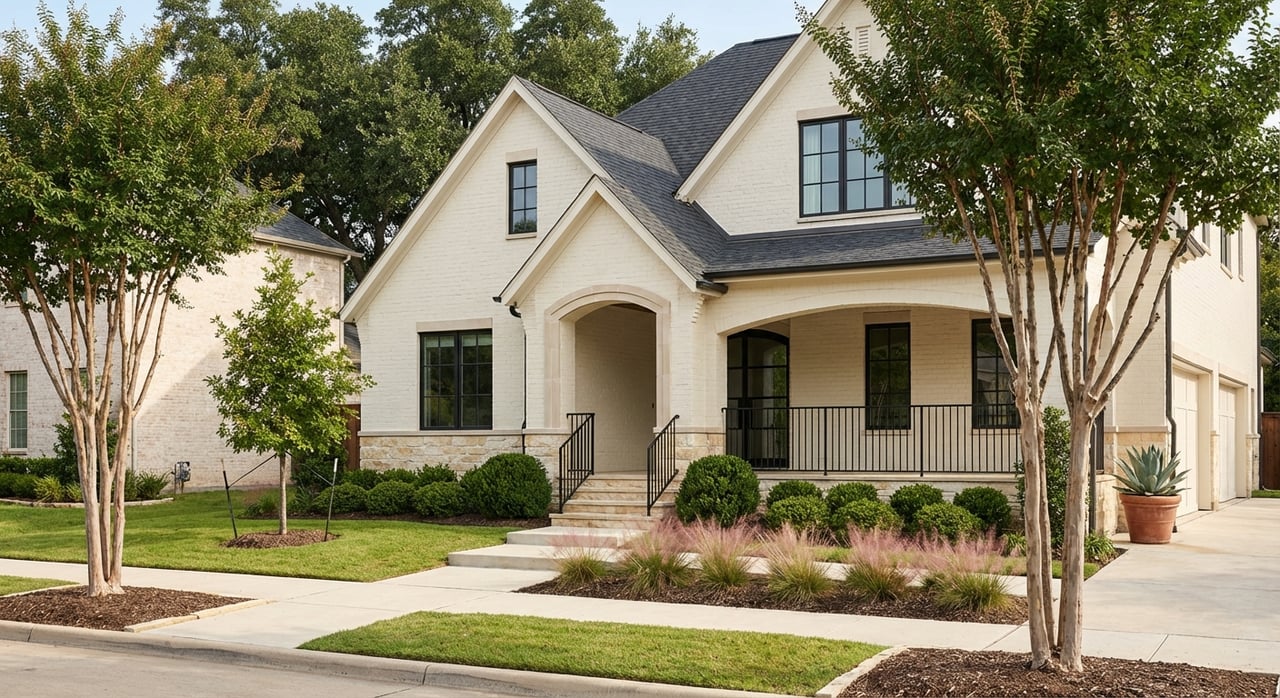
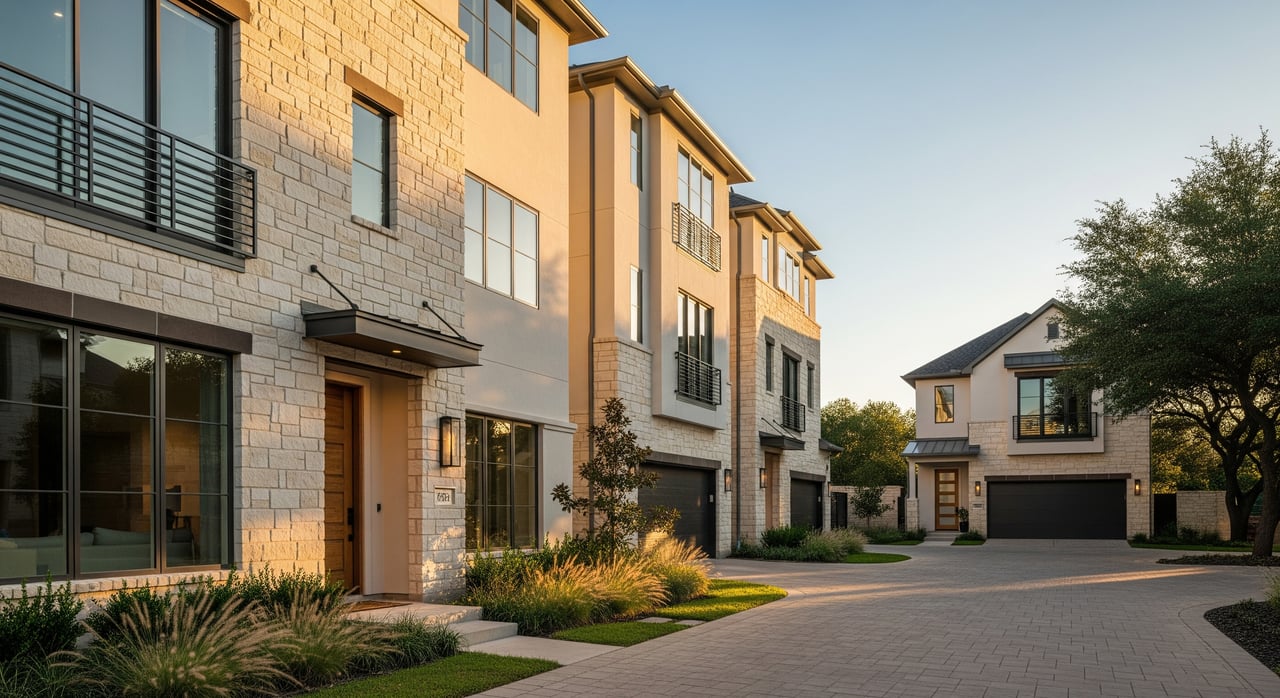
Frisco offers a wide mix of homes, including newer single-family homes, townhomes, condos, and apartments. Because much of the city has been built in the last two decades, you will find contemporary suburban styles, frequent HOAs, and community amenity centers. Prices vary by proximity to major corridors, sports and retail hubs, and whether a home sits inside a well-appointed master-planned community.
Master-planned living
Many communities feature pools, trails, clubhouses, and pocket parks. If you want neighborhood amenities and organized community life, these subdivisions deliver a turnkey experience. Expect HOA rules and dues that maintain common areas and support lifestyle programming.
Urban-style nodes
Areas near The Star and Frisco Square feel more urban, with restaurants, events, and services clustered together. You trade larger lot sizes for walkable access to entertainment and community activities. Traffic and noise can be higher near major corridors.
New builds vs. resale
New construction is common and appeals if you want modern layouts and energy-efficient features. Resale homes can offer established landscaping and shorter build timelines. With ongoing development, factor in future construction nearby and HOA or amenity fees when comparing options.
Who tends to thrive here
You will meet young families who value amenities and schools, mid-career professionals commuting to Plano or Dallas, and downsizers seeking low-maintenance living with access to healthcare and shopping. Frisco’s variety allows you to prioritize space, convenience, or an activity-rich setting.
Neighborhood fit checklist:
- Prioritize commute vs. lot size and amenities.
- Decide between master-planned structure and more independent settings.
- Ask about HOA rules, dues, and future area development.
- Compare noise and traffic exposure near tollways to quieter interior streets.
Schools and learning
Frisco Independent School District is the primary public school system and a major draw for families. The district has grown quickly and regularly opens new campuses, with neighborhood-based schools, a range of extracurriculars, and specialized programs. You will also find private, parochial, and charter options in the wider area.
For the best planning, verify school attendance zones for any address you consider, since enrollment growth can change boundaries over time. Frisco also benefits from nearby higher education and workforce-training options across the DFW region, which supports professional growth and continuing education.
Commute and getting around
Frisco is a car-first suburb. Most residents drive to work, often heading to Plano, Allen, Richardson, downtown Dallas, or employment centers along the northern corridor. Your experience depends on proximity to major routes and time of day.
Key routes to know
The Dallas North Tollway is the backbone for north-south travel. State Highway 121, also known as Sam Rayburn Tollway, links you across the region and toward the President George Bush Turnpike. Local arterials connect neighborhoods to these tollways, which many commuters use daily.
Typical drive times
Commutes into central Dallas often fall under 45 minutes in normal conditions, but peak congestion can add time. Trips to Plano and nearby corporate campuses are shorter, especially if you live nearer to the tollways. Build buffer time for school-year traffic and evening events.
Transit on the horizon
Frisco does not have widespread fixed-route light rail today. Regional commuter-rail projects are in various planning and construction stages that could shape access over time. If rail access matters to you, follow project updates and consider interim strategies like park-and-ride to nearby hubs.
Commute planning tips:
- Test your route during your actual commute window.
- Consider express lanes and toll budgets in your monthly costs.
- Compare the time savings of living closer to tollways vs. interior neighborhoods.
Shopping, dining, and healthcare
Daily conveniences are easy to access by car. Frisco has large shopping centers, national retailers, and a growing number of independent restaurants and cafés. You can choose from casual family spots to upscale dining, especially around major mixed-use districts.
Healthcare is well-represented with local clinics, specialty practices, and access to larger hospital systems in nearby cities. Families appreciate the availability of pediatric and OB-GYN care and the proximity of emergency services in the broader Collin County and DFW area.
Parks, sports, and weekends
Frisco invests in parks and trails, with neighborhood playgrounds, sports fields, and greenbelts that connect for walking, running, and biking. Large preserves near the city’s southern border provide miles of trails for nature time and dog-walking.
Sports are part of the city’s DNA. You will find professional and minor-league events, training facilities, and a major sports campus that hosts community activities and concerts. Seasonal festivals, farmers markets, museum programs, and outdoor concerts round out a full community calendar anchored in town squares and park spaces.
Costs, taxes, and ongoing expenses
Texas has no state income tax, which many newcomers appreciate. Homeownership costs include property taxes set by your city, county, and school district, based on appraised value. Sales tax is a standard part of everyday purchases, and HOAs or community amenity fees may apply in master-planned neighborhoods.
Budget snapshot:
- Mortgage, insurance, and property taxes as your core monthly stack.
- HOA and amenity fees for certain communities.
- Toll road usage if you commute by Dallas North Tollway or SH 121.
- Home maintenance and potential new-construction upgrades.
Key trade-offs to weigh
You often trade suburban space and new amenities for longer drives if your job is in central Dallas. Living near tollways speeds your commute but can mean more traffic and noise. Rapid growth brings new shopping and parks, and it can also mean ongoing construction and evolving neighborhood character.
A week in the life
Weekday mornings might include a quick school drop-off, a hop onto the Dallas North Tollway, and errands at a nearby retail center after work. Evenings often mean a practice at a local field or a casual dinner near Frisco Square. Weekends can be a sports event at a regional venue, a long trail walk, and a relaxed brunch at a neighborhood spot.
How a local advisor helps
A seasoned local agent helps you weigh commute times, HOA trade-offs, school zoning, and future development as part of a complete plan. If you are selling, premium presentation and strategic marketing can maximize your outcome in a market where buyers compare dozens of near-new homes. If you are buying or relocating, a structured process keeps inspections, timelines, and move logistics on track.
Ready to explore Frisco with a calm, consultative approach? Connect with Melissa Manemann for a complimentary planning call tailored to your goals.
FAQs
What is the cost of living in Frisco, Texas?
- Texas has no state income tax, and your major homeowner costs are mortgage, property taxes, insurance, and possible HOA or amenity fees, plus everyday sales taxes.
How long is the commute from Frisco to downtown Dallas?
- Many drivers can reach central Dallas in less than 45 minutes under normal traffic, though peak congestion can add time, so test your route during your commute window.
What should I know about Frisco ISD schools?
- Frisco ISD is the primary public district with ongoing growth, neighborhood schools, and varied programs, and you should verify attendance zones for any address you are considering.
Are there walkable areas in Frisco with dining and events?
- Areas near The Star and Frisco Square offer more concentrated dining, events, and services, while many master-planned areas focus on amenities within the neighborhood.
How do property taxes work for Frisco homeowners?
- Property taxes depend on the combined rates of the city, county, and school district applied to your home’s appraised value, and they vary by address and community.
Is Frisco considered a safe place to live?
- Frisco is often perceived as a safe, family-focused suburb with relatively low violent-crime rates compared with national averages, and you can review current local statistics by neighborhood.
What transit options exist if I do not want to drive?
- Frisco is primarily car-dependent today, with regional commuter-rail projects in progress that may change access over time, so follow updates if transit is a priority.